Buenos Aires Province lost the sitting on its betting bill.
The open fight is a levy on prizes for neighbourhood clubs. The lottery already licenses the market.
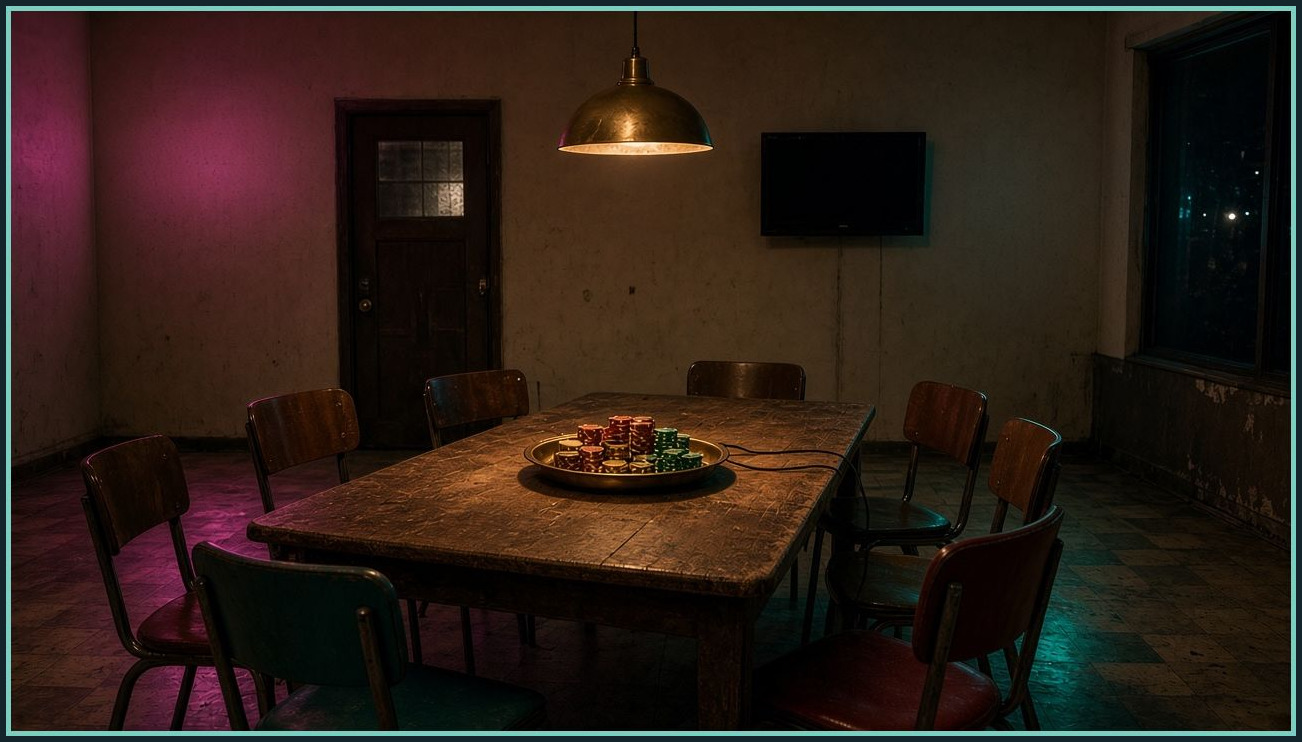
- The sitting
- Thursday 12 November 2026. Committee on games of chance, the lottery and gambling-addiction prevention, Chamber of Deputies of Buenos Aires Province. Chair Micaela Olivetto and Roberto Vázquez attended. Código Baires names the empty chairs. iGaming Business reported the collapse on 16 November.
- The file
- Expediente D-3634/26-27, Facundo Tignanelli and Micaela Olivetto, as Código Baires gives it. The Chamber's press notes describe the text. This desk did not open the bill PDF.
- The two funds
- Código Baires reads a mental-health contribution equal to advertising spend, 70 percent to municipalities and 30 percent to the provincial health ministry, and 3 percent of prizes paid each month, 85 percent to neighbourhood clubs and sociedades de fomento and 15 percent to athlete scholarships. The Chamber names both funds.
- Already licensed
- Instituto Provincial de Lotería y Casinos: law 15.079 of 2019 and decree 181/19 authorised seven online licences. The lottery's page links Bet365, Betano, Betsson, BetWarrior, Bplay, Sportsbet and Stake, each on a .bet.ar domain.
- The 80 percent
- Gonzalo Atanasof, president of the lottery, told this committee on 20 October 2026 that 80 percent of online gambling was on illegal sites. Fernando Rovello cited that diagnosis the afternoon of the failed sitting. This desk has not measured the share.
The committee that was due to report Buenos Aires Province’s online-betting bill did not sit. On Thursday 12 November the chair, Micaela Olivetto, and Roberto Vázquez of the Frente Renovador were the only members in the room. iGaming Business, reporting the collapse on 16 November, counts nine members. This desk opened Olivetto’s post from that afternoon, the post Facundo Tignanelli put up quoting her, and Fernando Rovello’s reply.
Olivetto wrote that the call was for a dictamen, after four earlier meetings on cyber-gambling addiction. Only Lucía Iañez had sent word that she would be away. The rest, she wrote, had promised to take part. She has called the committee back for Tuesday 17 November. This desk has no account of that sitting. Her line is that each day of delay is another day in which the online betting companies go on without regulation.
Tignanelli leads the Fuerza Patria bloc and signed the bill with her. He wrote that the authors knew they were touching interests, and that on Tuesday each member would have to choose which interests to stand for. He set the people of the province on one side and seven companies on the other, companies he said nobody controls. Código Baires, which carried the exchange the same day, gives the file as expediente D-3634/26-27.
The province already licenses this market. The Instituto Provincial de Lotería y Casinos says law 15.079 of 2019, and regulatory decree 181/19, authorised seven licences to run online gambling. This desk opened the lottery’s online-gambling page. It links seven sites on the .bet.ar domain: Bet365, Betano, Betsson, BetWarrior, Bplay, Sportsbet and Stake. The bill in committee would lay new duties on firms that already hold those licences. It is a provincial text. This paper filed, on 11 November, the separate national bill on betting advertising that is still waiting in the Argentine Senate.
The Chamber’s press note on an earlier reading of the file describes the controls the authors want. Accounts would be personal and could not be passed on. A real-time facial check would run at login, on a deposit or a withdrawal, and on a large bet. A session would close after one continuous hour, and the user could not sign back in for the next hour. A third login on the same day would lock the account for 24 hours. Advertising would need a prior, specific authorisation from the lottery. The word juego would be barred, and so would any image that sells a bet as play. A specialist prosecutor’s office for illegal online betting, the FEAIL, would sit under the provincial prosecutor general. This desk did not open the PDF of the expediente. The description is the Chamber’s.
The money is where the sitting broke. Código Baires reads two funds in the text. The first matches whatever a licensee spends on advertising and puts that sum into care for mental health and gambling addiction: 70 percent to the municipalities, 30 percent to the provincial health ministry. The second takes 3 percent of the prizes the licensees pay out each month. Of that, 85 percent would go to neighbourhood clubs and sociedades de fomento, and 15 percent to scholarships for high-performance athletes. The Chamber’s notice of the presentation names the two funds, one for mental health and cyber-gambling addiction, the other for community bodies and sport. The same Código Baires account says the absent opposition also objected to a compulsory facial check and to the one-hour cap, with some members wanting the cap stretched to six hours, and that the UCR had been ready to back the bill in general if the illegal-betting prosecutors were spread across judicial departments. iGaming Business says a non-Peronist source told Diputados Bonaerenses that the blocs were close on almost everything except the clubs fund, and that some of the opposition wanted that money to pass through the province’s municipal revenue-sharing formula. This desk could not load that page.
Rovello, of PRO, answered in public the same afternoon. He wrote that the interests in play were those of clandestine online gambling, which he put at 80 percent of the provincial market on the provincial government’s own diagnosis, and that children were betting there. He said his own bill took childhood gambling addiction seriously. He would not, he wrote, create what he called a ridiculous fund of 700 billion pesos to be run as a political cash box for La Cámpora. Código Baires reports Tignanelli’s answer: the money would be assigned directly to the clubs and the athletes, and the sum he wants taken from the licence holders is a little more than 700 billion pesos. This desk did not open that answer as its own post.
The 80 percent figure is the lottery’s. On 20 October Gonzalo Atanasof, president of the institute, told this same committee that 80 percent of online gambling was taking place on illegal sites, platforms the province does not regulate and that let minors in. He set the licensed sites against that picture, and said those operators already have to check identity with biometrics, a sworn statement, and the national persons register, RENAPER. The share is his statement to the committee. This desk has not measured it.
Código Baires’s roll of the empty chairs is Rovello, Diego Garciarena of the UCR and Cambio Federal, Francisco Adorni of La Libertad Avanza, Marcela Basualdo of the Liga de Intendentes, Juan de Jesús of Fuerza Patria, and Fabián Luayza of Nuevos Aires. Iañez, of Movimiento Derecho al Futuro, had given notice. The paper says the committee waited half an hour. No report was issued. The bill has not reached the floor.
Sources
- iGaming Business, 16 November 2026
- Micaela Olivetto, 12 November 2026
- Facundo Tignanelli, 12 November 2026
- Fernando Rovello, 12 November 2026
- Código Baires, 12 November 2026
- Chamber of Deputies of Buenos Aires Province, on the committee's reading
- Chamber of Deputies of Buenos Aires Province, on the presentation
- Instituto Provincial de Lotería y Casinos, online gambling
- Instituto Provincial de Lotería y Casinos, 20 October 2026